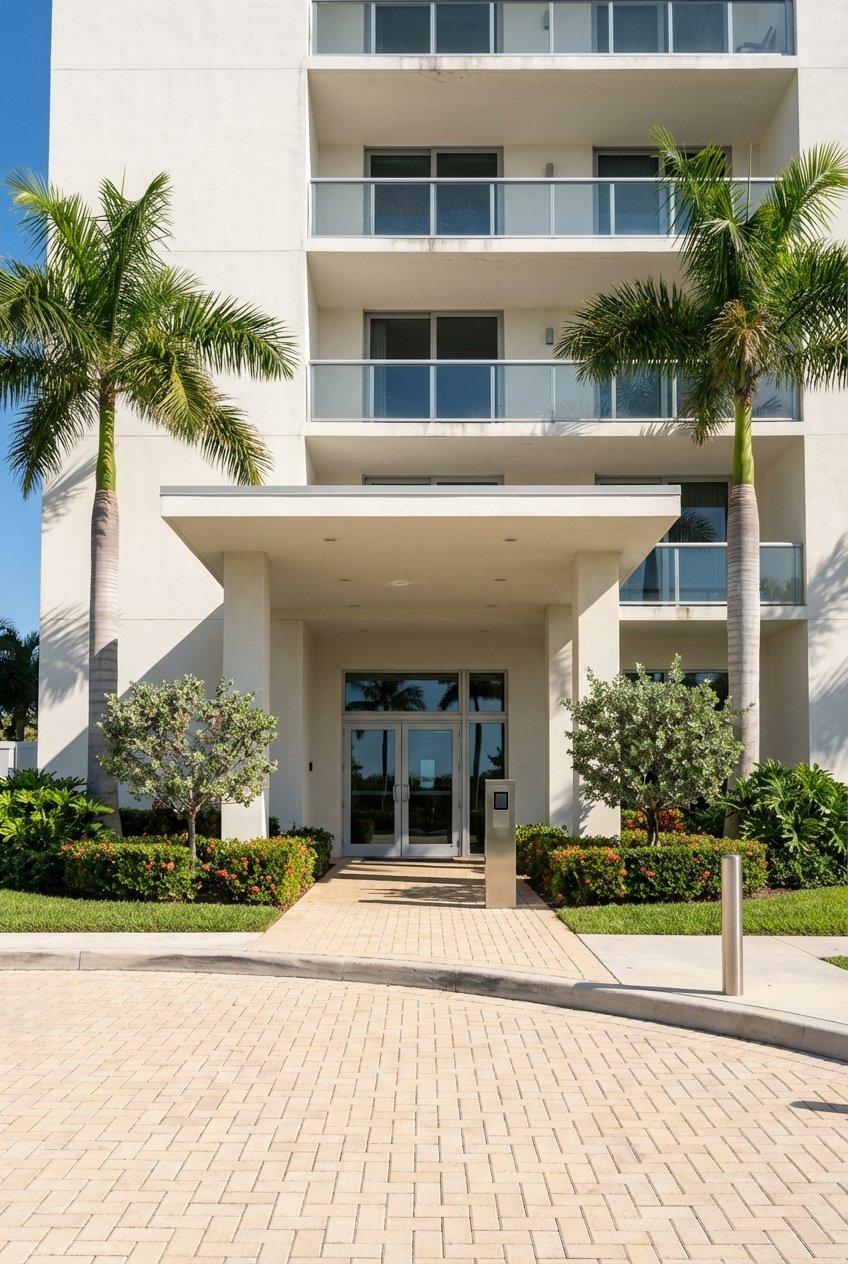
Longboat Key Condos: Costs, Rules and Questions to Ask First
February 26, 2026
February 26, 2026
Buying a condo on Longboat Key should feel exciting, not overwhelming. Yet between HOA dues, new Florida safety rules, insurance shifts, and local rental policies, it is easy to miss the details that change your total cost. You want clear answers so you can compare buildings with confidence and avoid surprises.
This guide breaks down what your monthly dues actually cover, how new structural inspections and reserves affect assessments, how insurance deductibles work, and which rental rules apply on Longboat Key. You will also get a checklist of documents to request and smart questions to ask before you make an offer. Let’s dive in.
Your monthly association dues pay for things like common-area upkeep, staffing or management, master insurance, reserves, landscaping, security, trash, and amenities. Each building is different, so always review the full budget. The master policy and reserve planning are two of the biggest variables that drive owner exposure and future assessments.
On Longboat Key, many mid and upper market Gulf or bay buildings show monthly dues around the low to mid four figures. It is common to see $1,000 to $2,000 or more per month, while smaller or older low-amenity communities can be lower. Use list prices and stated dues only as a starting point. The budget breakdown, current reserves, and any pending projects matter much more than the headline fee.
Florida law gives owners a voice if budgets jump sharply. If a board adopts a budget that increases assessments to more than 115 percent of the prior year’s assessments after excluding certain required items like reserves and insurance, owners can call a special meeting to consider a substitute budget. This rule shows how much dues can move when new inspections or reserve plans reveal big needs. You can read more on the budget process in Florida Statutes §718.112.
Florida now requires Structural Integrity Reserve Studies (SIRS) and Milestone Structural Inspections for condo buildings that are 3 or more stories. The Milestone inspection happens at 30 years from the building’s certificate of occupancy, though local officials can require it at 25 years in coastal situations. Phase 1 is a visual review by an engineer or architect. Phase 2 is triggered if Phase 1 finds substantial structural deterioration. Results must be shared with owners and guide reserve funding. See the state’s overview from the Department of Business and Professional Regulation (DBPR) on milestones and SIRS.
If a SIRS shows underfunded structural items, associations must raise money. That can happen through higher monthly assessments, special assessments, or association loans. Many existing buildings have deadlines that fall between 2024 and 2026, which is why you may see more dues changes and special assessments now. When you compare condos, do not skip the SIRS report, current reserve balance, and any planned capital projects.
Key financial documents to request:
Florida law sets the framework for condominium association insurance. Associations typically carry a master property policy that covers the building structure and common elements. The statute also details what is usually the unit owner’s responsibility inside the unit. Always ask for the Certificate of Insurance and the policy declarations page to confirm coverages and deductibles. Review the statute here: Florida Statutes §718.111.
Hurricane or wind deductibles are often a large percentage of the building’s insured value. Associations must fund those deductibles when a covered loss occurs, and if reserves are not enough, the cost can be passed to owners by a special assessment. This is why your own HO-6 unit policy with loss-assessment coverage is important. A building with slightly higher dues but a well-funded reserve and reasonable master deductible can be less risky than a lower-dues building with a very large deductible and thin reserves.
Insurance costs have been a major driver of HOA increases lately. State reporting and local press show that many Florida condo association policy costs more than doubled from 2022 to 2024. Rising reinsurance costs, post-Surfside risk reviews, and replacement-cost updates contributed to the jump. You can read a summary of this trend in InsuranceNewsNet’s coverage of association insurance costs.
What to request from the association on insurance:
Older coastal buildings may face near-term work such as concrete restoration, balconies, waterproofing, parking decks, and roofs. Newer buildings that follow more recent Florida Building Code standards and have updated envelopes, impact windows, and recent roofs can be easier to insure and sometimes face lower premiums. For Florida Building Code adoption timing and context, see the state’s code adoption overview.
Milestone inspections and SIRS directly affect carrying cost and resale. A Phase 2 finding or a SIRS that identifies large unfunded structural items usually leads to special assessments or higher monthly reserves. That can reduce the pool of buyers and affect financing eligibility. The policy shift that followed the Surfside tragedy underscores why these rules exist. For broader context on the safety and legislative response, see AP News coverage of Surfside and resulting changes.
Longboat Key enforces a rental policy that generally requires a minimum 30-day stay in residential zones unless a unit is grandfathered or the property is in tourism zoning. As of October 1, 2023, the town also requires a Residential Rental Registry for rentals under 6 months, with registration, life and safety inspections, and a requirement to include the rental certificate number in advertisements. Learn more on the town’s page about short-term rentals and the rental registry.
These local rules shape your options. Buildings that allow short stays and operate like a condo-hotel may be less likely to qualify for conventional or FHA financing. Buildings that follow 30-day minimums and traditional residential rules are more likely to be eligible, but you still need to confirm project status with your lender.
Your lender will review the building through project-approval tools. Fannie Mae’s Condo Project Manager, Freddie Mac’s systems, or HUD’s condo approval determine if a building is warrantable for conventional or government loans. If a project is ineligible, your financing options narrow and the future buyer pool may be smaller. Check project eligibility early using tools like Fannie Mae’s Condo Project Manager so you know what to expect.
Use this simple matrix to compare properties side by side. Ask for documents that verify each item.
| Item | Why it matters | What to request |
|---|---|---|
| Monthly dues and inclusions | Total carrying cost and services | Current budget; dues breakdown |
| Master policy deductible | Potential loss assessments to owners | Insurance declarations page; deductible allocation policy |
| Reserve balance and percent funded | Likelihood of future assessments | Latest reserve study; SIRS report; reserve statement |
| Milestone/SIRS status and dates | Structural safety and near-term projects | Phase 1/2 reports; engineer recommendations; timelines |
| Pending assessments | Immediate out-of-pocket cost | Notices; board minutes |
| Rental policy and enforcement | Your use and rental income potential | Declaration/bylaws; town registry requirements |
| Project financing eligibility | Your loan options and resale pool | Lender project review; CPM/CPA/HUD status |
| Flood zone/elevation | Insurance requirements and risk | Elevation Certificate; FEMA flood zone |
Financials and budgets:
Building condition and compliance:
Rules, rentals and use:
Legal and governance:
Financing and resale:
You deserve a clean, side-by-side picture before you buy. Our team reviews budgets, reserves, SIRS and milestone reports, master policy terms, and rental rules so you see the full financial picture, not just the listing headline. We coordinate with your lender on project eligibility and help you weigh insurance and assessment risk across buildings. If you are relocating, we simplify tours and paperwork so you can move at your pace with confidence.
If you are considering a Longboat Key condo and want a clear plan from first look to closing, connect with Sarasota Neighborhood Experts. We will help you compare buildings apples to apples and find the right fit.
Stay up to date on the latest trends in real estate.
October 22, 2026
October 15, 2026
October 8, 2026
October 1, 2026
September 24, 2026
September 17, 2026

September 10, 2026
September 3, 2026
August 27, 2026
Sarasota Neighborhood Experts will help you achieve or exceed your real estate goals, by providing you with extraordinary quality of service in the buying and selling of real estate. Professionalism, integrity, honesty, and truth are the cornerstones of our business.